What is Schema Therapy?
An evidence-based, depth-oriented approach that works with the lifelong emotional patterns – called schemas – that quietly shape how you think, feel, and relate. When you understand them, you can finally change them. I offer Schema Therapy in Florida by telehealth and in person in Boca Raton.
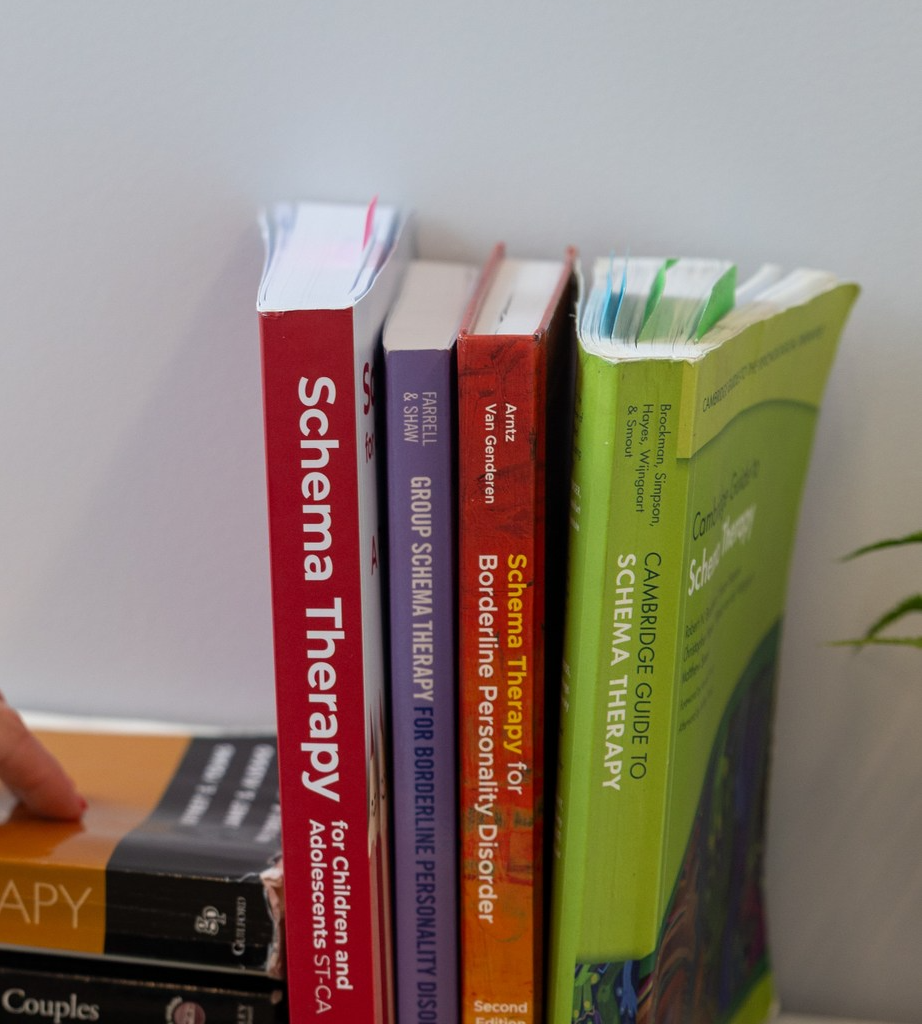
Patterns formed early, repeated for life.
A schema is a deep, self-defeating pattern that begins in childhood and repeats across your life. It can sound like "I'm not good enough," "I'll be abandoned," or "my needs don't matter."
These patterns once helped you survive. But left unexamined, they quietly drive your choices – the partners you pick, the conflicts you repeat, the way you treat yourself.
Beyond coping, toward change.
Many therapies focus on managing symptoms. Schema Therapy goes further – it brings the original emotional roots into the room, so they can be understood, felt, and finally healed.
It integrates cognitive, emotional, and relational work, which is why it's especially effective for long-standing patterns that haven't shifted with other approaches.
Needs, schemas, and modes.
It starts with a simple idea: we all have basic emotional needs. When they go unmet – even in ordinary, well-meaning families – we adapt, forming deep beliefs and ways of coping that once protected us but now get in the way. Schema Therapy works with three connected ideas.
We all begin with the same basic emotional needs – safety, connection, autonomy, boundaries, self-worth, playfulness, and emotional expression. When these are consistently met, we grow up feeling secure in ourselves.
When core needs go unmet again and again, schemas develop – the wounds in our emotional system. They become deeply rooted beliefs about yourself, others, and relationships that can leave you feeling unlovable, unsafe, defective, abandoned, controlled, or responsible for others.
When a schema is triggered or activated in your life, a mode appears – the emotional state you shift into. One part may feel vulnerable, hurt, or afraid, while another copes by shutting down, pleasing others, becoming self-critical, or pushing people away.
"Until you make the unconscious conscious, it will direct your life and you will call it fate."
Four movements of the work
Through conversation, imagery, chair work, emotion-focused exercises, and practical behavioral change, the work moves through four stages.
Where Schema Therapy does its deepest work.
Schema Therapy is powerful precisely because it reaches deep – which is exactly why it should be practiced by someone trained to that depth.
As an ISST Certified Advanced Schema Therapist, Trainer & Supervisor – originally trained as a physician, with a background in psychiatry – I bring the full clinical depth this work asks for.

Curious whether this is right for you?
A free 15-minute consultation – I'll listen to what's bringing you here and tell you honestly whether Schema Therapy fits.
Request a Consultation